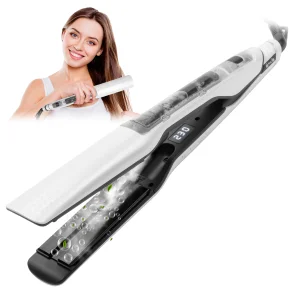
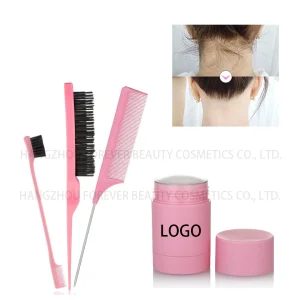
Explore our premium B2B collection of customizable curling irons, intelligent automatic styling tools, and ergonomic detangling sets designed for professional salons and global brands.
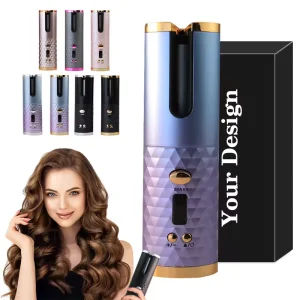
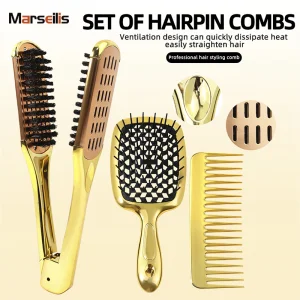
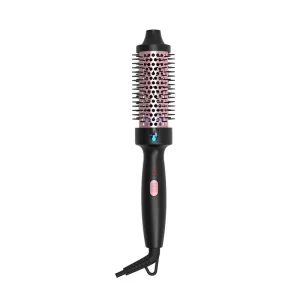
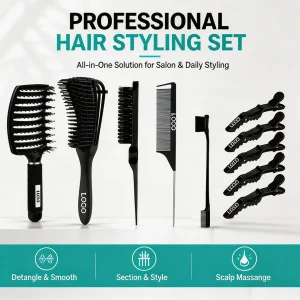
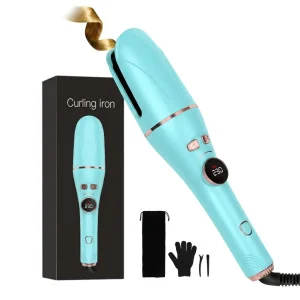
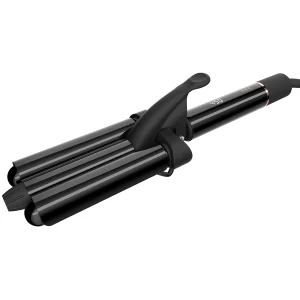
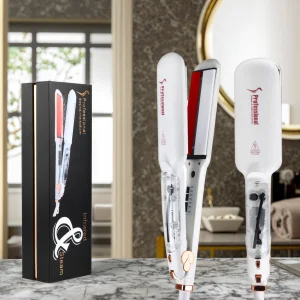
The global demand for specialized natural hair stylers has witnessed a massive surge, driven by an expanding consumer appreciation for textured hair diversity (ranging from wavy Type 2 to coily Type 4). Historically, hair styling tools were designed with a focus on flat, straight hair configurations. However, the structural physics of natural hair—possessing varying curl diameters, elliptical cross-sections, and localized structural weak points—requires an entirely different engineering blueprint.
For modern B2B buyers, importers, and global brands, navigating the factory landscape requires an acute understanding of how manufacturing standards correlate with end-user safety and styling efficacy. A top-tier natural hair styler factory must master advanced thermodynamics, surface materials science, and electronics integration. As a leading hub of manufacturing, factories in Southern China, specifically in Foshan and Dongguan, have evolved from basic OEMs to sophisticated engineering houses providing state-of-the-art ODM services.
Textured hair is highly sensitive to moisture loss and high-heat degradation. When sourcing from a professional factory, several crucial engineering metrics must be examined to secure a competitive advantage:
SEO Insight & Information Gain: When consumers search for natural hair stylers, they are not just looking for a heating wand; they are looking for a solution that preserves hair health. B2B brands that market the technical metrics of their factory partner (such as MCH temperature stability curve or ionic output volume) demonstrate a higher level of transparency and E-E-A-T (Experience, Expertise, Authoritativeness, Trustworthiness) to both search algorithms and wholesale buyers.
Sourcing strategies vary significantly depending on local demographics, retail distribution channels, and regulatory frameworks.
Strong consumer preference for high-end, IoT-connected devices. Products must support dual-voltage architectures (110V-220V) and possess strict ETL/UL safety certifications. Emphasis is placed on ergonomics and premium matte finishes.
High demands for energy efficiency, RoHS compliance, and eco-friendly recyclable packaging. The UK market requires dedicated G-type plug configurations, and styling tools must conform to CE and UKCA regulatory benchmarks.
Rising middle-class disposable income is driving demand for salon-grade, heavy-duty styling tools. Products must feature high-durability strain relief cables and withstand prolonged heat exposure without chassis warping.
| Styler Type | Optimal Temperature Range | Heating Core Target | Ideal Natural Hair Type Compatibility | Regulatory Standard |
|---|---|---|---|---|
| Cordless Auto Curler | 150°C - 200°C | PTC Heater | Type 3A - 3C (Loose/Medium Curls) | FCC, CE, RoHS |
| Steam Flat Iron | 160°C - 230°C | MCH dual-plate | Type 4A - 4C (Coily, Dense Coils) | UL, CE, PSE |
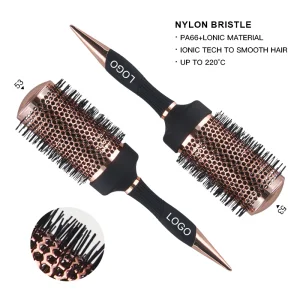
| Ionic Round Brush | 180°C - 210°C | Ceramic Coated barrel | Type 2A - 3B (Wavy & Curly) | CE, UKCA |
To contextualize the capability of high-performing hair tool manufacturing, we highlight one of the prominent industrial leaders in this category. Foshan JGM Beauty Co., Ltd. is a leading China curling iron manufacturer specializing in the research, development, production, and supply of professional hair styling tools and OEM/ODM beauty appliance solutions. With extensive industry experience and advanced manufacturing capabilities, JGM Beauty is committed to delivering innovative, high-performance hair styling products to global brands, distributors, retailers, and salon professionals.
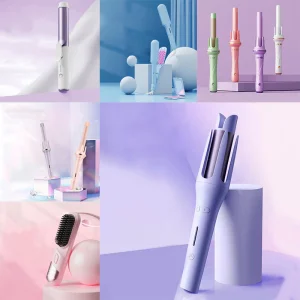
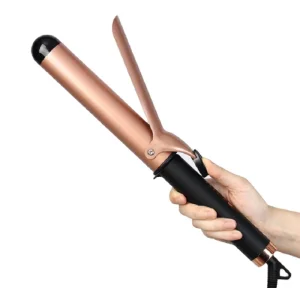
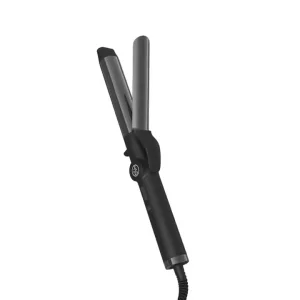
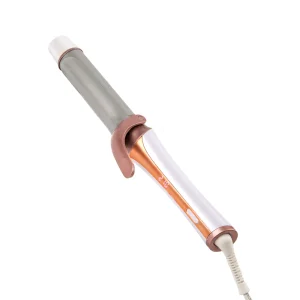
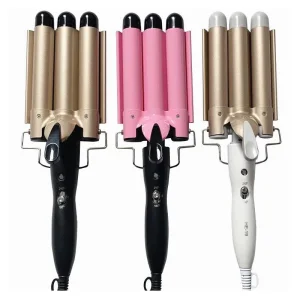
Our comprehensive product range includes curling irons, automatic hair curlers, curling wands, hair straighteners, hot air brushes, hair dryers, multi-functional styling tools, and other professional beauty appliances. Designed to meet the evolving needs of the global beauty market, our products combine advanced heating technologies, ergonomic designs, and reliable performance to help users achieve salon-quality styling results.
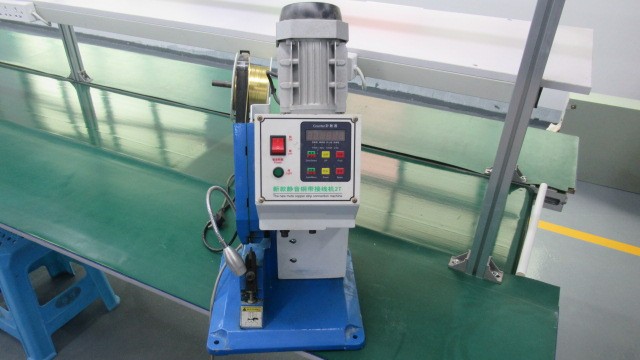
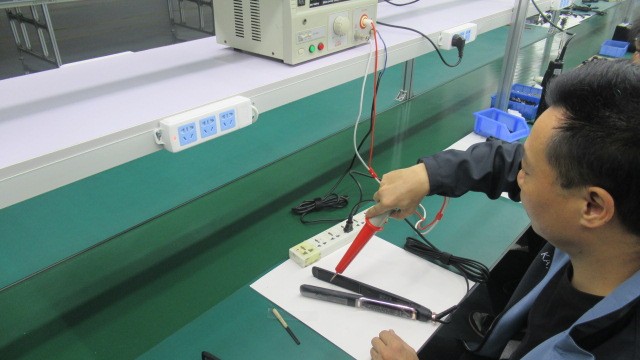
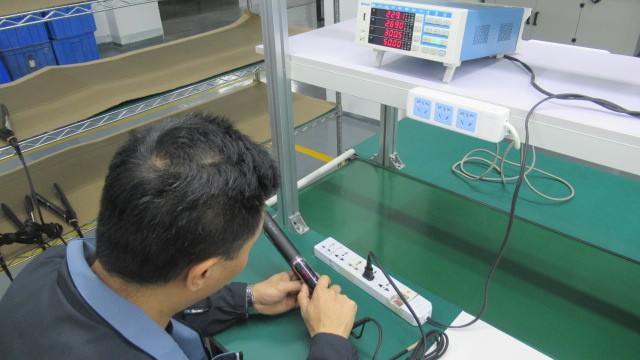
At JGM Beauty, quality and innovation are the foundation of our business. Our modern manufacturing facilities are equipped with advanced production lines and stringent quality control systems to ensure every product meets international standards. We carefully select premium materials and integrate advanced technologies such as ceramic, tourmaline, titanium, and intelligent temperature control systems to enhance styling efficiency while minimizing hair damage.
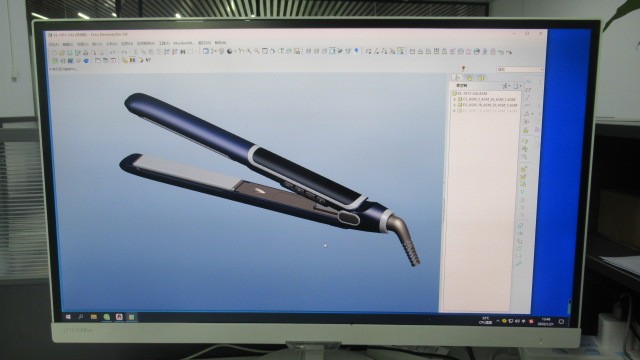
As a trusted OEM and ODM hair styling tools factory in China, we offer one-stop customization services, including product design, mold development, logo printing, packaging customization, and private label solutions. Our experienced R&D team continuously monitors global beauty trends and develops market-oriented products that help customers strengthen their brand competitiveness.
Serving clients across North America, Europe, the Middle East, Southeast Asia, and other international markets, Foshan JGM Beauty Co., Ltd. has established long-term partnerships based on quality, innovation, and dependable service. JGM Beauty is dedicated to becoming your reliable partner for professional hair styling tools and customized beauty appliance solutions worldwide.
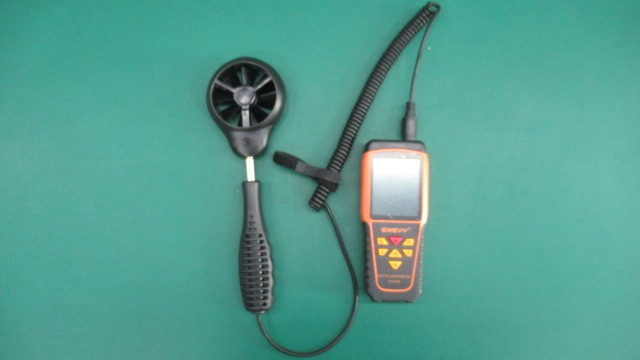
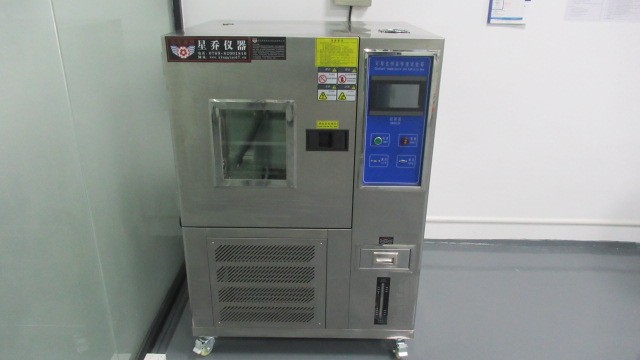
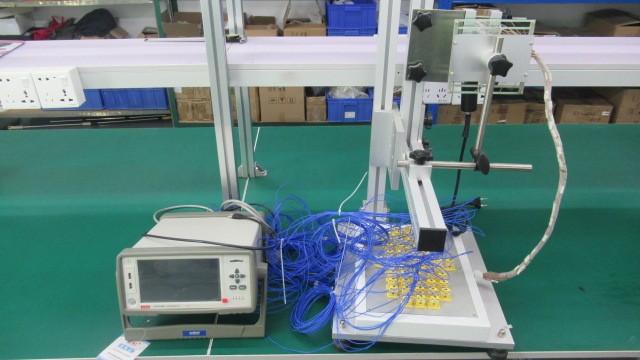
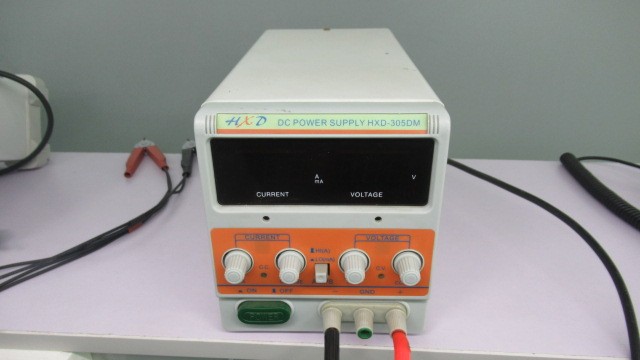
A pictorial walkthrough of JGM Beauty's production lines, QA testing laboratories, and assembly operations, showcasing technical excellence at every phase.
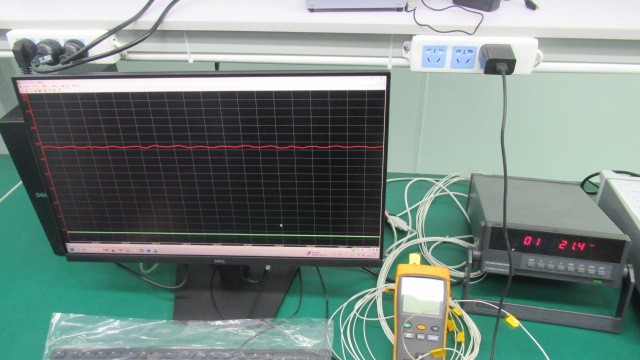
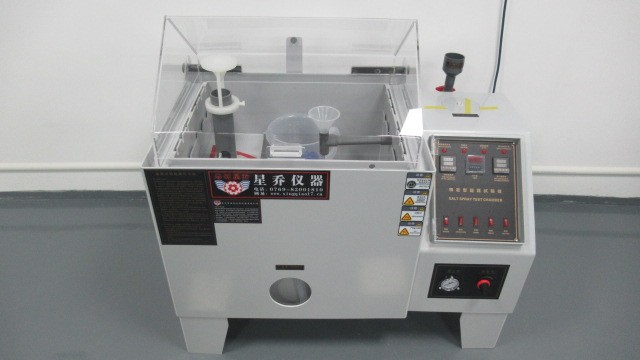
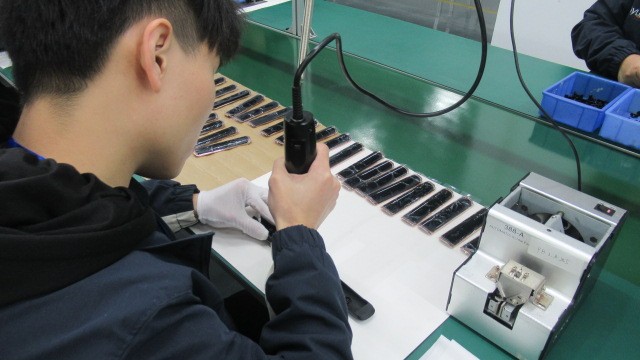
The trajectory of natural hair styling manufacturing is shifting towards artificial intelligence, biometric feedback, and eco-friendly raw materials.
When selecting a manufacturer for your private label styling tools, you must run audit procedures encompassing safety, social responsibility, and engineering capabilities.
To avoid costly recalls and product failures, global procurement managers must verify the following items during supplier qualification:
Essential B2B sourcing advice and product queries regarding natural hair styler production.
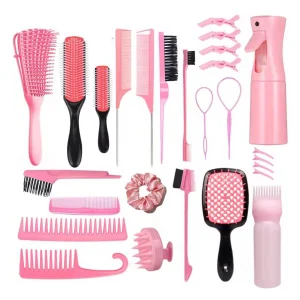
Review the remaining selection of advanced styling tools, including high-durability thermal combs, nano-ceramic curlers, and complete salon kits.
 JGM Beauty